What Actually Happens When Students Work on Walls
Students stand, write, and talk when work moves to the wall. The room changes within minutes. Groups start solving problems faster. Teachers see thinking across the room instead of waiting for raised hands.
Research on gaze and dialogue in classrooms shows clear patterns. Students look at nearby work while solving problems. They adjust ideas based on what they see. Discussion happens earlier and more often.

The Room Becomes Active Fast
Desk work slows the start of many lessons. Students wait for instructions or copy examples.
Wall work shifts the pace.
- Students pick up markers.
- Groups begin writing within seconds.
- Conversations start right away.
Standing changes behavior. Movement increases focus. Groups stay involved because everyone faces the work together.
Students Scan the Room While Thinking
Students do not look at their own work only. They look across the room.
Researchers track eye movement during group work. Patterns repeat across classrooms.
- Students glance at nearby boards.
- Students compare strategies.
- Students return to their own work and revise.
This pattern spreads ideas across the room. One group writes a method. Another group adapts it. A third group tests a variation.
Thinking moves through the class.
Thinking Becomes Visible
Work on desks hides the reasoning process. Teachers see finished answers or partial steps.
Work on walls shows the full path.
- Groups write steps.
- Students cross out errors.
- New ideas appear next to old ones.
Teachers see progress in real time. Students explain their reasoning while writing. Peers respond and ask questions.
The focus shifts from answers to process.
Collaboration Starts Without Prompts
Group work at desks often turns into quiet writing. One student leads while others watch.
Wall work changes the structure.
- Everyone faces the same surface.
- Students point to steps while speaking.
- Groups ask other groups about strategies.
Peer discussion becomes part of the task. Students borrow methods from nearby work. Groups test ideas they see across the room.
Teachers spend less time asking students to collaborate. The layout of the room drives the behavior.
Teachers See Thinking Faster
A teacher walking around desks sees one paper at a time. Patterns stay hidden.
Wall work reveals the whole room.
- A quick scan shows progress across every group.
- Errors appear early.
- Teachers respond before confusion spreads.
Short conversations replace long explanations. Teachers guide thinking instead of repeating instructions.
Engagement Stays High Throughout the Lesson
Standing changes energy in the room. Students shift position, point to work, and talk through ideas.
Public work creates accountability.
Students know peers see their thinking. Groups stay focused on solving the problem. Off-task behavior drops because attention stays on the board.
Momentum builds across the lesson. Students keep writing, revising, and explaining.
Where Schools Create These Surfaces
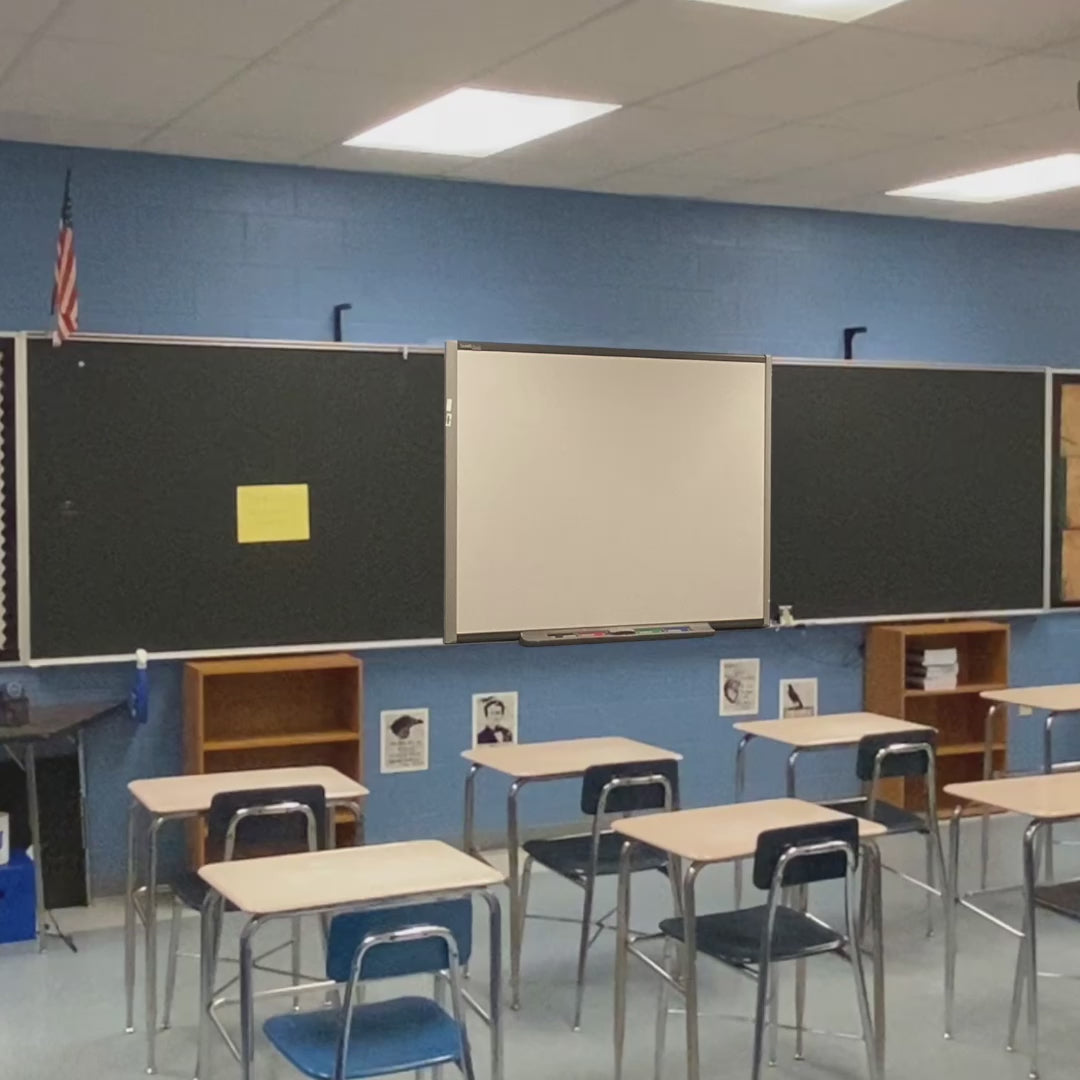
Schools create vertical writing areas in several ways.
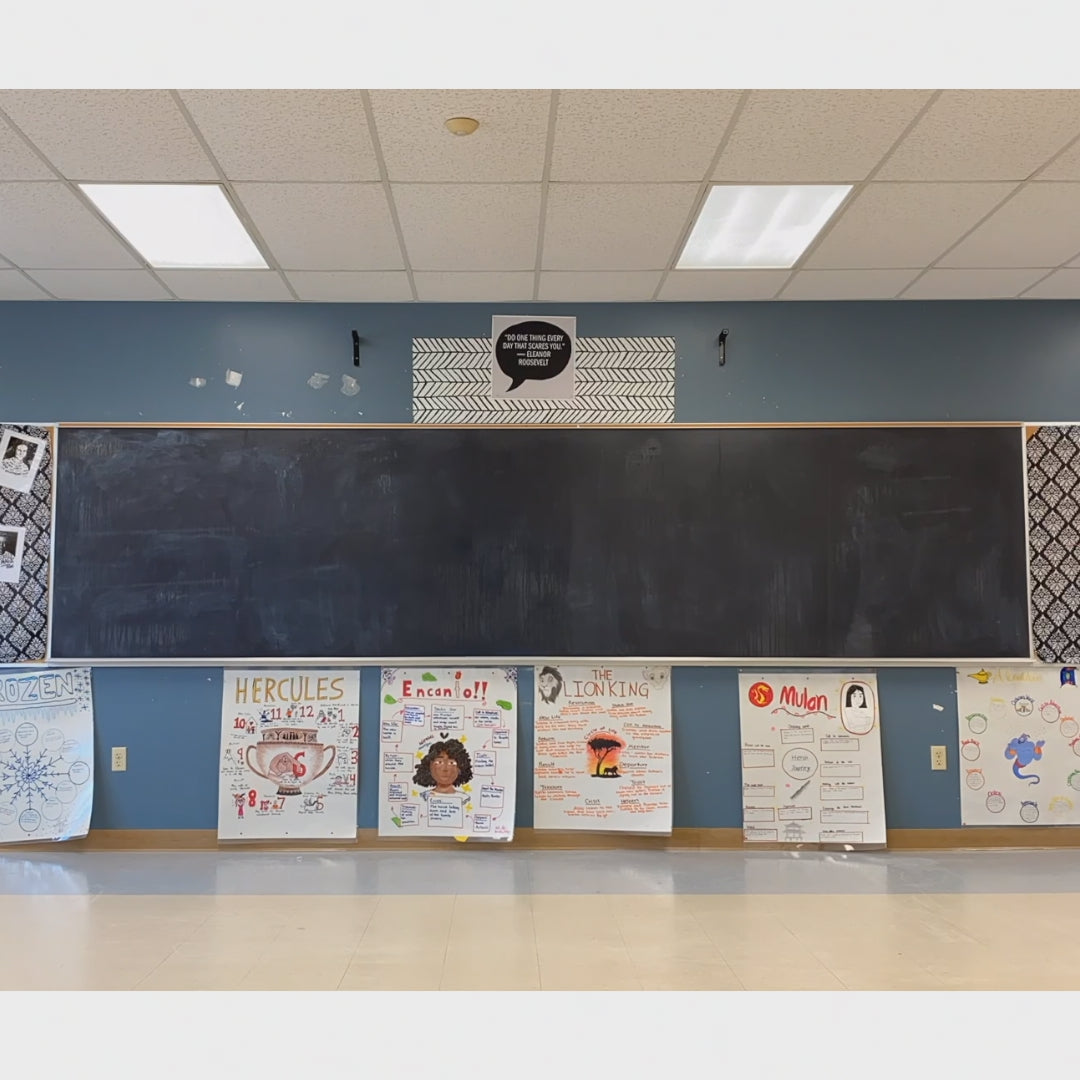
- Resurfaced chalkboards.
- Dry erase wall panels.
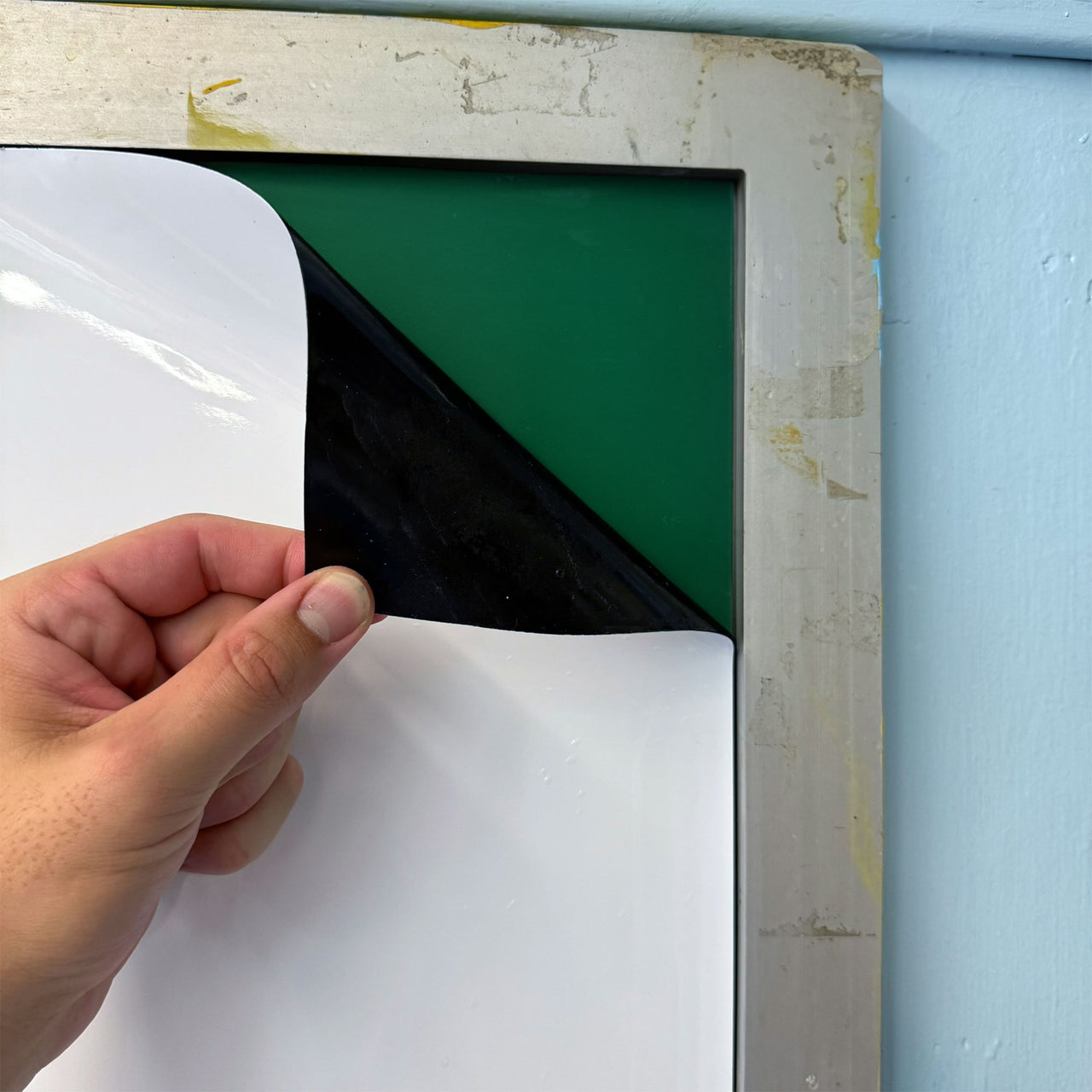
- Whiteboard film applied to walls.
- Portable boards for small group stations.
Many schools install these surfaces in math rooms, science rooms, hallways, and intervention spaces. Large walls support multiple groups at the same time.
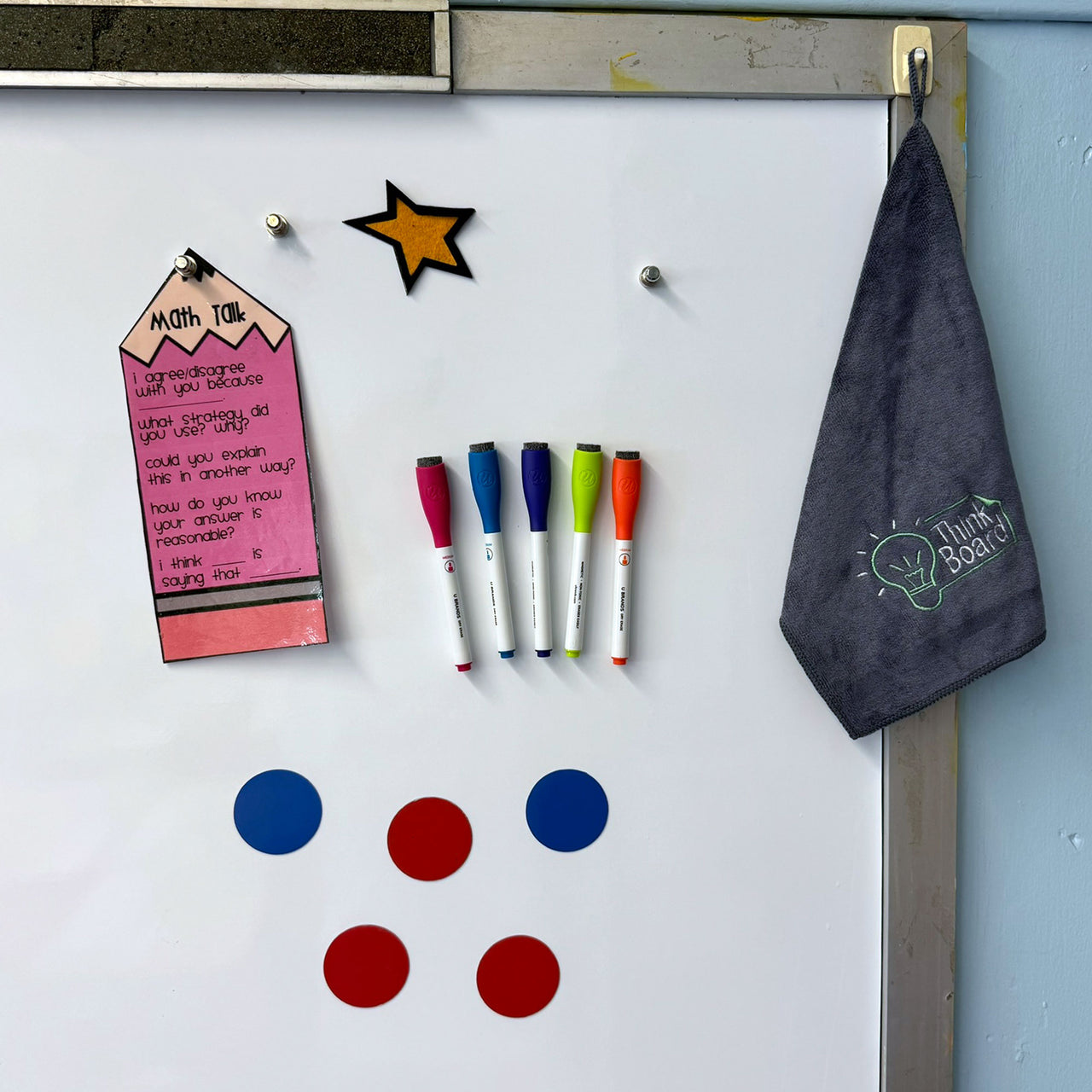
Think Board helps schools create these writing surfaces with minimal disruption. The surface installs directly over existing boards or flat walls. Teachers gain a smooth dry erase wall without demolition or construction. Magnetic versions allow charts and reference materials to stay on the board during lessons.
Schools often start with one room or one hallway wall. Students begin writing on the wall within the first lesson. Teachers notice the shift in participation right away.
Students do not sit and wait. They write, compare ideas, and adjust their thinking in real time. When work moves to the wall, thinking becomes visible across the entire classroom.